In several Latin American countries, access to the US dollar has become an everyday necessity—not only for saving but also for international transactions. However, the official exchange market sometimes has government-imposed restrictions, giving rise to alternatives like the blue dollar.
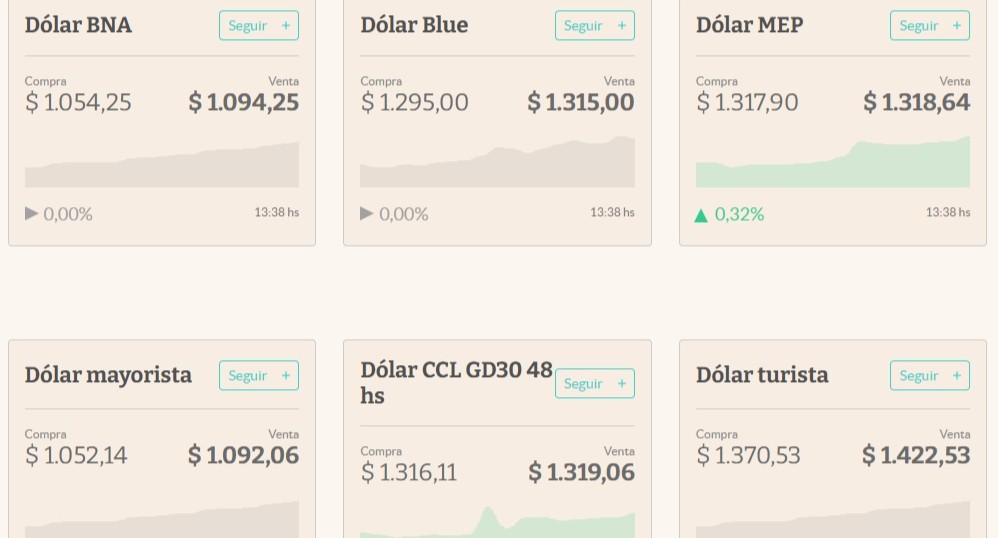
This phenomenon has become particularly popular in countries like Argentina, where it even has a daily unofficial exchange rate. However, Argentina isn’t the only country experiencing this.
So, what exactly is the blue dollar? What's the difference between the blue dollar and the regular dollar? In this guide, we’ll explain its origin, how it works, and why it persists in some Latin American countries.
Blue Dollar in Latin America: What It Is and Why It Exists in Some Countries
What is the Blue Dollar?
The blue dollar is the currency bought and sold on the informal market, outside the official banking system. This allows people to evade taxes and currency regulations, making it fiscally illegal.
Because it operates outside the legal system, it typically trades significantly higher than the official exchange rate.
Why is the Blue Dollar More Expensive?
Even though it’s not governed by official mechanisms, its value fluctuates based on supply and demand. Additionally, economic perceptions and political factors heavily influence its price.
What's the Origin of the Blue Dollar?
The concept originated in Argentina when the informal market emerged due to currency restrictions imposed by the government.
The term became widely used among the population and media around 2011, a period marked by economic crisis, inflation, and currency controls.
While this phenomenon has repeatedly occurred in Argentine history, Argentina isn’t alone in having a blue dollar.
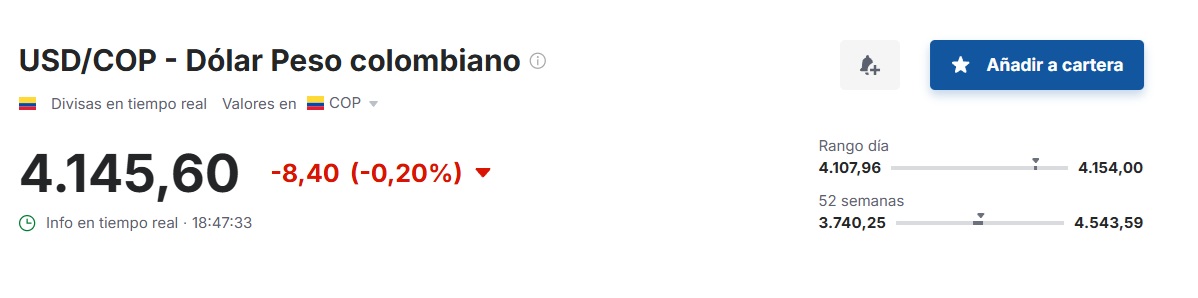
Colombia, for example, has parallel markets that respond to similar situations. Hence, some people choose options outside the traditional banking system to buy dollars in Colombia.
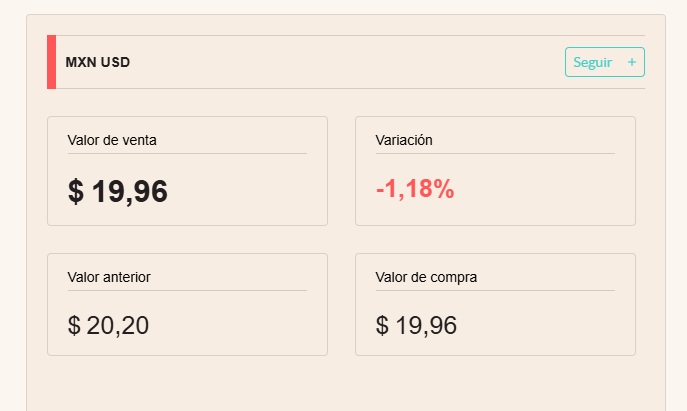
In Brazil, Spain, Mexico, and other Latin American countries, the blue dollar has appeared as an alternative, although the term isn’t commonly used to refer to these parallel currency markets.
Why is it Called "Blue Dollar"?
In some countries, it’s known as the black, parallel, or informal dollar. However, the term "blue dollar" became popular in Argentina to denote the unofficial US dollar.
There's no official explanation for the origin of the term. Some popular theories include:
Color of the Bills: One theory suggests the term refers to the bluish hue of older $100 bills.
Association with Illegality: Another theory is that in English, "blue" relates to something dark or illegal, similar to "blue movies" (banned films), suggesting it's an activity not regulated by the state.
Financial Jargon: Some colors in finance differentiate formal and informal markets, possibly making "blue" a chosen contrast to the official market.
Additionally, some speculate the name "blue dollar" arose due to the circulation of counterfeit bills in this market. While the exact origin is uncertain, the term solidified in Argentina starting around 2011.
Differences Between the Blue Dollar and the Regular Dollar
The main difference between the blue dollar and the official dollar is where and how each is obtained, along with their exchange rate values.
Simply put, the official dollar is legal but limited. In contrast, the blue dollar is illegal but more accessible for those unable to purchase through formal markets.
Now, if you want to buy dollars in Mexico at cheap prices and safely, you must go through the channels regulated by the State. Such as banks or agencies authorized to exchange foreign currency.
Otherwise, you can obtain the blue dollar on the streets through unregistered intermediaries. Naturally, this will come with higher prices and increased risks.
Why Do Several Latin American Countries Have a Parallel Dollar Market?
Economic instability is a primary reason behind the emergence of parallel markets. Local currency devaluation pushes people to seek alternatives to protect savings or conduct transactions. Companies also increasingly operate outside official systems.
Common causes include:
Currency controls limiting or raising costs of foreign exchange through official channels.
Distrust in economic policies.
High inflation rates causing economic uncertainty.
Political instability.
The informal dollar market responds to a genuine societal need in such environments, reflecting distrust in local currency and economic policies.
DolarApp: Receive International Payments with No Hidden Fees
Currency controls and restrictions on incoming foreign exchange impact many people. Even those receiving remittances often turn to the parallel market for better exchange rates.
However, informal agencies might charge hidden fees, but with DolarApp, you avoid this issue.
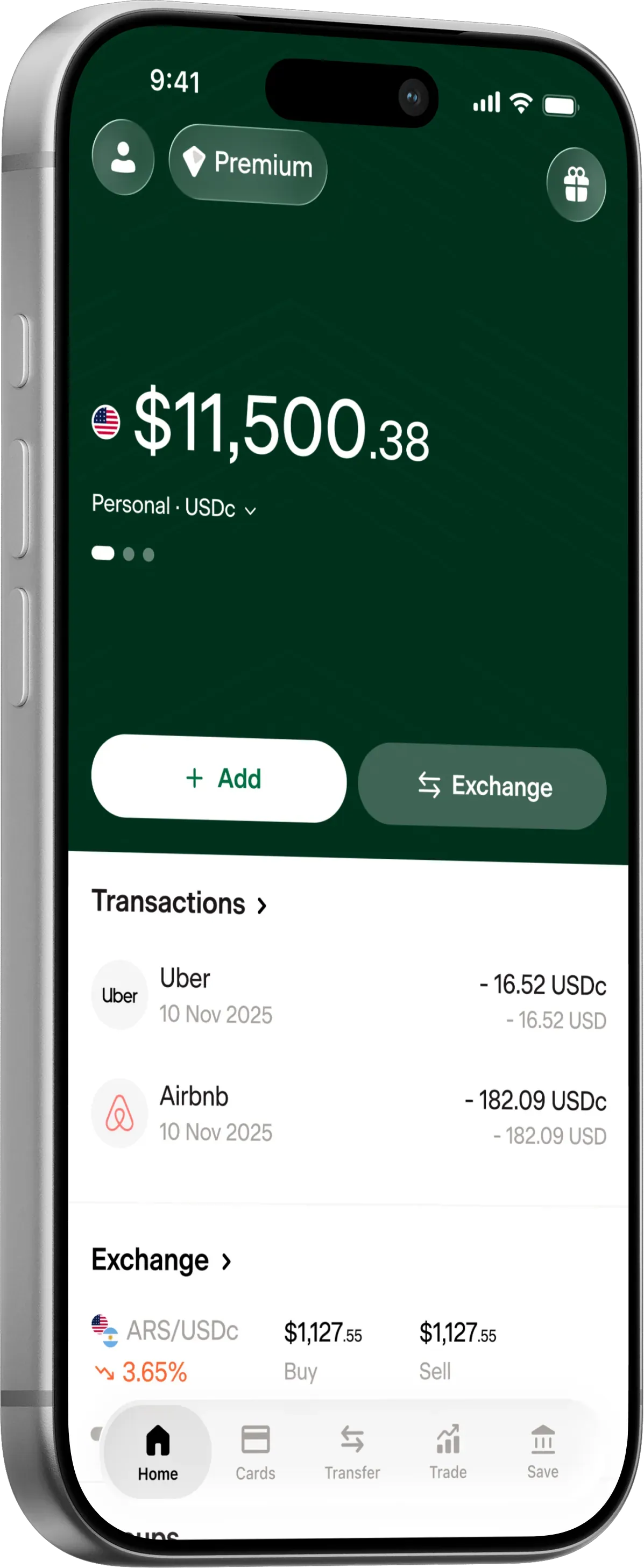
We provide a real-time updated exchange rate, allowing you to buy or sell digital dollars while viewing current rates beforehand.
Additionally, there are no conversion fees, and the exchange rate applied has no hidden costs. Simultaneously, you can protect your money against local currency devaluation, making it an ideal solution for receiving international payments.
Um app. Um cartão. Todas as suas moedas.
Conectando seu dinheiro às maiores oportunidades do mundo.